Rosemary Lemon Spring Cake
Highlighted under: Dessert Recipes
I recently decided to experiment with a Rosemary Lemon Spring Cake, and I couldn’t be happier with the outcome. The combination of vibrant lemon and fragrant rosemary is surprisingly refreshing, making this cake perfect for spring gatherings. I love how the herbal notes elevate the sweetness of the cake without overpowering it. Each bite is light yet satisfying, and I can't wait to share this unique dessert at my next brunch. Trust me, your guests will be asking for the recipe!
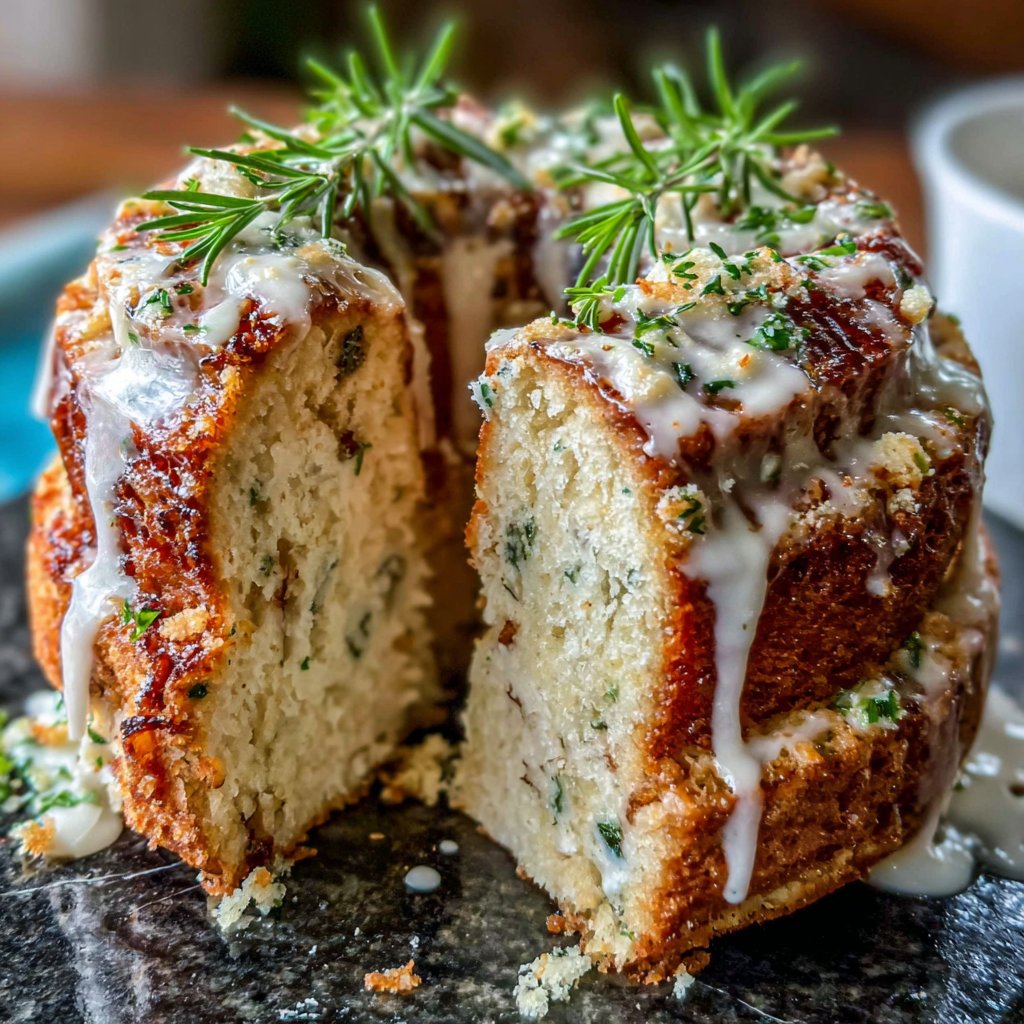
When I first thought about combining rosemary and lemon, I was a bit skeptical. It seemed like an odd pairing, but after a few trials, I found the perfect balance. The sweetness from the cake beautifully complements the tangy lemon and the earthy rosemary, creating a cake that feels both fresh and comforting. One crucial tip I discovered is to let the cake rest for a few hours; it allows the flavors to meld perfectly!
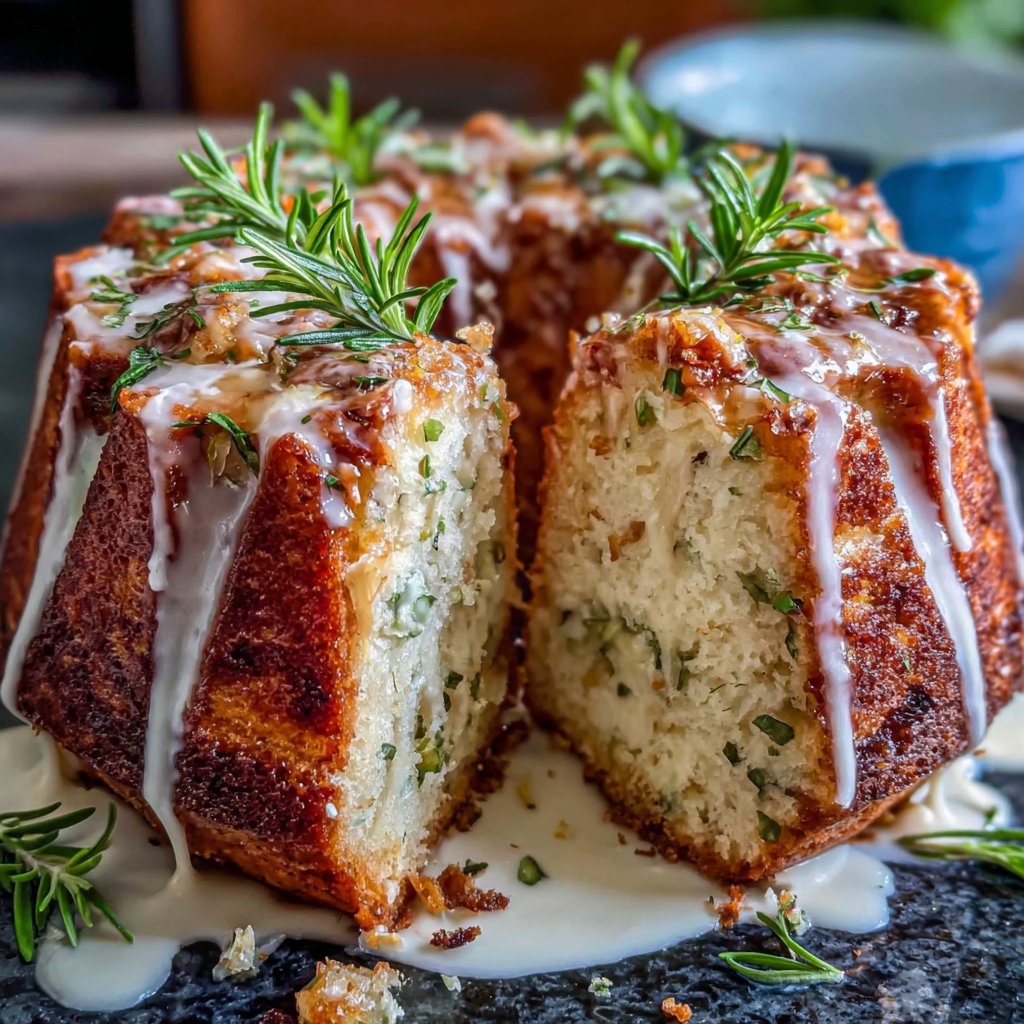
After baking, I couldn’t resist adding a drizzle of lemon glaze on top, which not only enhances the presentation but also adds a zesty kick that ties everything together. Whether you serve it as a dessert or with afternoon tea, this cake always impresses. I love sharing it with friends and seeing their surprised expressions when they taste those unexpected flavors!
Why You'll Love This Cake
- Bright citrus flavor paired with aromatic rosemary
- Light and fluffy texture, perfect for spring
- An eye-catching dessert that sparks conversation
The Role of Rosemary
Rosemary is not just a decorative herb in this cake; it plays a crucial role in balancing the sweetness of the sugar and the tartness of the lemon. When finely chopped and mixed into the batter, rosemary infuses the cake with its aromatic oils, offering an earthy undertone that complements the bright lemon flavor. Make sure you're using fresh rosemary for the best results, as dried rosemary can lead to a less vibrant flavor profile. Remember to chop it finely; larger pieces can be overpowering.
If you're unsure about rosemary's intensity, start with a smaller amount—perhaps a teaspoon—and adjust to your preference. Keep in mind that rosemary pairs beautifully with other flavors too. If you’re feeling adventurous, experimenting with herbs like thyme or basil could yield delightful variations on the theme of herbal-infused desserts.
Lemon Glaze Techniques
The lemon glaze adds that coveted shiny finish and a tart contrast to the cake's sweetness. When mixing the glaze, it's important to achieve the right consistency—thick enough to coat the back of a spoon but still pourable. If your glaze is too thick, gradually add water, one teaspoon at a time, until it reaches the desired pourable consistency. If it’s too thin, you can simply whisk in a bit more powdered sugar until you get that glossy texture.
I recommend drizzling the glaze over the cake slowly, allowing it to drip down the sides for a cascading effect. For added visual appeal, consider garnishing with additional lemon zest or a sprig of fresh rosemary right before serving. This not only enhances the presentation but also hints at the flavors within the cake.
Make-Ahead and Storage Tips
This Rosemary Lemon Spring Cake is a fantastic make-ahead option. You can prepare the cake a day or two in advance—just store it well wrapped in plastic wrap at room temperature to maintain its moisture. If you prefer, the unglazed cake also freezes beautifully. Simply wrap it tightly in plastic and then aluminum foil, storing it in the freezer for up to three months. When ready to serve, let it thaw at room temperature, glaze it, and enjoy!
For those planning a larger gathering, consider doubling the recipe and baking multiple layers to create a stunning layer cake version. Adjust baking times accordingly, checking for doneness with a toothpick in all layers, as thicker cakes may need a bit longer in the oven.
Ingredients
Ingredients
For the Cake
- 1 ½ cups all-purpose flour
- 1 cup granulated sugar
- 1 ½ teaspoons baking powder
- ½ teaspoon baking soda
- ¼ teaspoon salt
- ¾ cup unsalted butter, softened
- 3 large eggs
- 1 tablespoon fresh rosemary, finely chopped
- Zest of 1 lemon
- ½ cup fresh lemon juice
- 1 teaspoon vanilla extract
For the Lemon Glaze
- 1 cup powdered sugar
- 2 tablespoons fresh lemon juice
- 1 tablespoon water
Instructions
Instructions
Prepare the Oven and Pan
Preheat your oven to 350°F (175°C). Grease and flour a 9-inch round cake pan.
Mix Dry Ingredients
In a large bowl, whisk together the flour, baking powder, baking soda, and salt.
Cream Butter and Sugar
In another bowl, cream the softened butter and sugar together until light and fluffy.
Add Eggs and Flavors
Add the eggs one at a time, mixing well after each addition. Then, stir in the lemon zest, lemon juice, chopped rosemary, and vanilla extract.
Combine Mixtures
Gradually add the dry mixture to the wet mixture, stirring until just combined.
Bake the Cake
Pour the batter into the prepared pan and smooth the top. Bake for 30 minutes or until a toothpick comes out clean.
Cool and Glaze
Let the cake cool for 10 minutes in the pan, then transfer to a wire rack to cool completely. Meanwhile, mix the powdered sugar, lemon juice, and water for the glaze.
Serve
Once cooled, drizzle the lemon glaze over the cake before slicing and serving.
Pro Tips
- For an extra flavor boost, try infusing your sugar with fresh rosemary a day before baking. Simply blend the sugar with a few sprigs of rosemary and let it sit covered overnight.
Flavor Enhancements
To elevate the flavor profile of your Rosemary Lemon Spring Cake even further, consider adding a handful of poppy seeds to the batter. They introduce a delightful crunch and a subtle nutty taste that pairs well with lemon. Typically, about two tablespoons of poppy seeds work beautifully, but you can adjust based on your preference.
Another great option is to infuse your butter with extra lemon zest before creaming it with sugar. Simply let the zest sit in the butter for a few hours or even overnight at room temperature. This technique will intensify the lemon flavor throughout the cake, creating a delightful burst of citrus in every bite.
Troubleshooting Common Issues
If your cake turns out dense, it may be due to overmixing the batter. Remember to combine the wet and dry ingredients gently, just until incorporated. This will help keep your cake light and airy. Another common issue is the cake sticking to the pan. Ensure that you've greased and floured it well before adding the batter to prevent any mishaps during the release process.
Overbaking can also be problematic; in case of doubt, check your cake earlier than the recommended time. Ovens can vary, and starting to check for doneness around the 25-minute mark can save you from a dry cake. A toothpick inserted into the center should come out clean or with just a few moist crumbs attached.
Questions About Recipes
→ Can I use dried rosemary instead of fresh?
While fresh rosemary provides a better flavor, you can use dried rosemary. Just halve the amount, as dried herbs are more potent.
→ How should I store the cake?
Store the cake in an airtight container at room temperature for up to three days, or refrigerate for up to a week.
→ Can I make this cake ahead of time?
Absolutely! This cake can be made a day in advance. Just glaze it right before serving for the best presentation.
→ What can I serve with this cake?
This cake pairs wonderfully with tea or coffee. You can also serve it with whipped cream or fresh berries for a delightful combination!
Rosemary Lemon Spring Cake
Created by: The Chefezekielcooks Team
Recipe Type: Dessert Recipes
Skill Level: Intermediate
Final Quantity: 8 servings
What You'll Need
For the Cake
- 1 ½ cups all-purpose flour
- 1 cup granulated sugar
- 1 ½ teaspoons baking powder
- ½ teaspoon baking soda
- ¼ teaspoon salt
- ¾ cup unsalted butter, softened
- 3 large eggs
- 1 tablespoon fresh rosemary, finely chopped
- Zest of 1 lemon
- ½ cup fresh lemon juice
- 1 teaspoon vanilla extract
For the Lemon Glaze
- 1 cup powdered sugar
- 2 tablespoons fresh lemon juice
- 1 tablespoon water
How-To Steps
Preheat your oven to 350°F (175°C). Grease and flour a 9-inch round cake pan.
In a large bowl, whisk together the flour, baking powder, baking soda, and salt.
In another bowl, cream the softened butter and sugar together until light and fluffy.
Add the eggs one at a time, mixing well after each addition. Then, stir in the lemon zest, lemon juice, chopped rosemary, and vanilla extract.
Gradually add the dry mixture to the wet mixture, stirring until just combined.
Pour the batter into the prepared pan and smooth the top. Bake for 30 minutes or until a toothpick comes out clean.
Let the cake cool for 10 minutes in the pan, then transfer to a wire rack to cool completely. Meanwhile, mix the powdered sugar, lemon juice, and water for the glaze.
Once cooled, drizzle the lemon glaze over the cake before slicing and serving.
Extra Tips
- For an extra flavor boost, try infusing your sugar with fresh rosemary a day before baking. Simply blend the sugar with a few sprigs of rosemary and let it sit covered overnight.
Nutritional Breakdown (Per Serving)
- Calories: 320 kcal
- Total Fat: 15g
- Saturated Fat: 9g
- Cholesterol: 100mg
- Sodium: 180mg
- Total Carbohydrates: 45g
- Dietary Fiber: 1g
- Sugars: 20g
- Protein: 3g